


Concordia Cemetery in El Paso, Texas-known as the city's "Boot Hill"-is the final resting place for over 66,000 people, from Buffalo Soldiers and Texas Rangers to outlaws of the Old West. Spanning 52 acres, this historic cemetery offers a rare glimpse into the diverse and colorful history of West Texas.
Jump to:
Why Concordia Cemetery Is Worth Visiting
If you want to step straight into the pages of West Texas history, Concordia Cemetery in El Paso is the place to do it. Known locally as the city's "Boot Hill," its 52 acres hold the remains of more than 66,000 people-Buffalo Soldiers, Texas Rangers, early settlers, civic leaders, and a fair share of Old West outlaws and gunslingers. But more than the famous names, it's the quiet, weatherworn headstones-the ones you've never heard of-that hold the most human stories.
Established in the mid-1800s, Concordia grew alongside El Paso, becoming a burial ground for nearly every chapter of the city's past. Wooden crosses lean beside ornate marble monuments, and each section tells a different story of the community it served. In 2006, it was designated a Texas State Historical Cemetery, and True West Magazine has named it "Best Historic Cemetery" three times. Today, visitors can wander through its sunbaked paths, exploring the graves of the famous and the forgotten alike-each a window into the rough, resilient spirit of the Southwest.
Buffalo Soldiers Monument
If you don't stop at Concordia Cemetery for anything else, take time for the Buffalo Soldiers Monument.
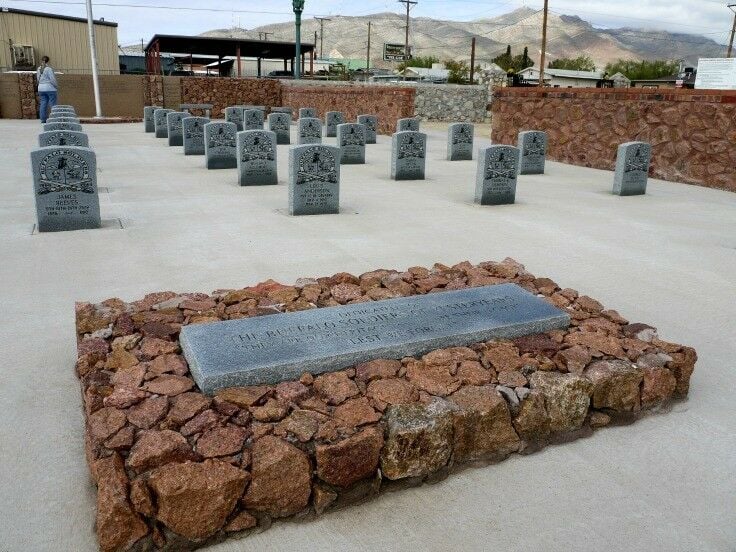
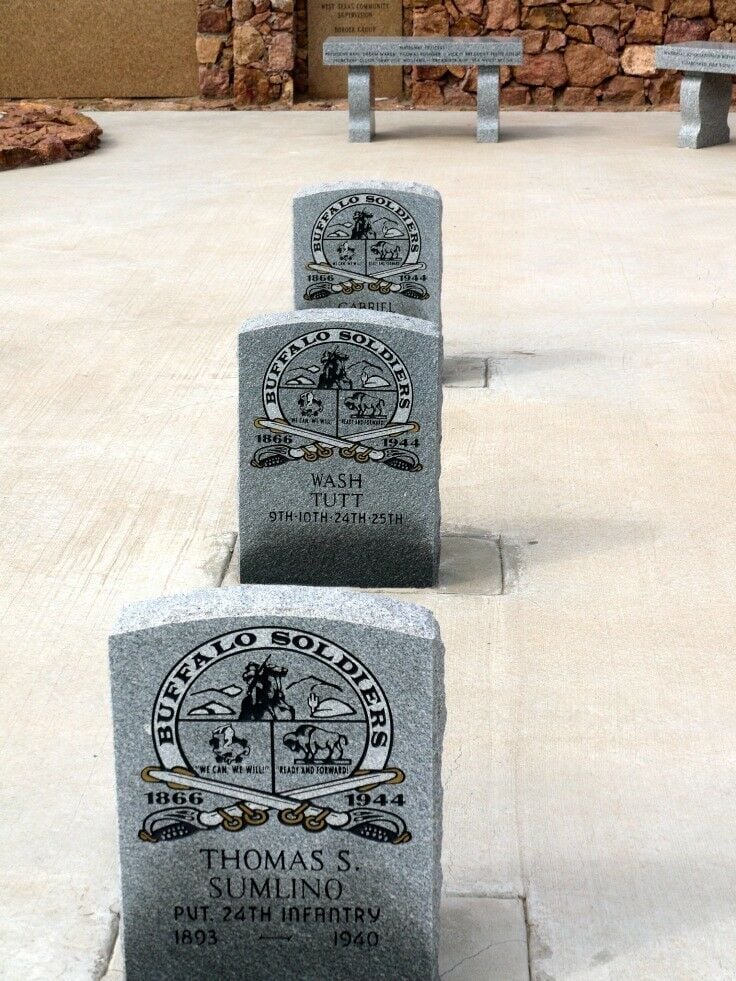
Just inside the main gate of Concordia Cemetery, you will find a beautiful monument of bronze plaques, granite memorial markers, and native stone dedicated to Buffalo Soldiers - war veterans from four regiments of African American soldiers who served on the frontier after the end of the Civil War.
The remains of forty-some Buffalo Soldiers are buried at Concordia, and the Buffalo Soldier Memorial commemorates both their military service and their contribution to the history of Texas.
It is believed that the name "Buffalo Soldier" began with the Cheyenne warriors in 1867. The Black Soldiers were ferocious and courageous in battle, even when outnumbered. Out of Respect, the Cheyenne referred to these hard-fighting Black men as "Buffalo Soldiers" - reportedly because their hair resembled that of the revered Bison. Because the Buffalo was a sacred animal to the Indians, the calvarymen accepted the title with great pride. The name became a highly respected American Legacy.
- Inscription on the Buffalo Soldiers Memorial, Concordia Cemetery, El Paso, Texas
I found this memorial inscription heartrending.
By my skill the West was tamed but today few know my name. From the plantations of Southern America we came to stake the plains of Texas.
The muddy waters of the Rio Grande we built forts and staked our claims under the command of Grierson and Hatch, we spilled our blood in pursuit of outlaws and indians to catch the 59th minute of the final hour for the honor of it.
We towered the Sioux, Cheyenne, Comanche, and Apache bet their life against the Blacks in blue. And we in dress blues at reveille, boots and saddles and the Yellow Rose of Texas made us all that we could be.
After the battle, we became the eyes and ears of the pioneers from slavery to soldiering that took hundreds of years. They called our homes ghettos, but our trials are lauded by sonneteers - the Blacks in Blue, all volunteers. By many names I am called: Negro, Boy, Colored, and Soldier all.
In defense of freedom, we forsook all to heed the shouts of the wall. A hundred years ago and many fallen comrades we pursued Santana in Blue we were clad for the honor of it. And the lives we lost, we were sad. Darker the blue, and the Buffalo Soldiers, too.
We did what we had to do, for God and country. We are Americans, too.
- Inscription on the Buffalo Soldiers Memorial, Concordia Cemetery, El Paso, Texas
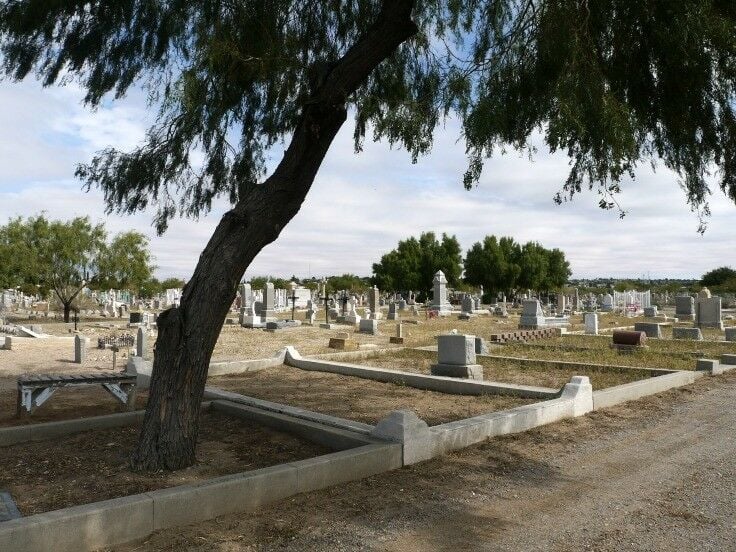
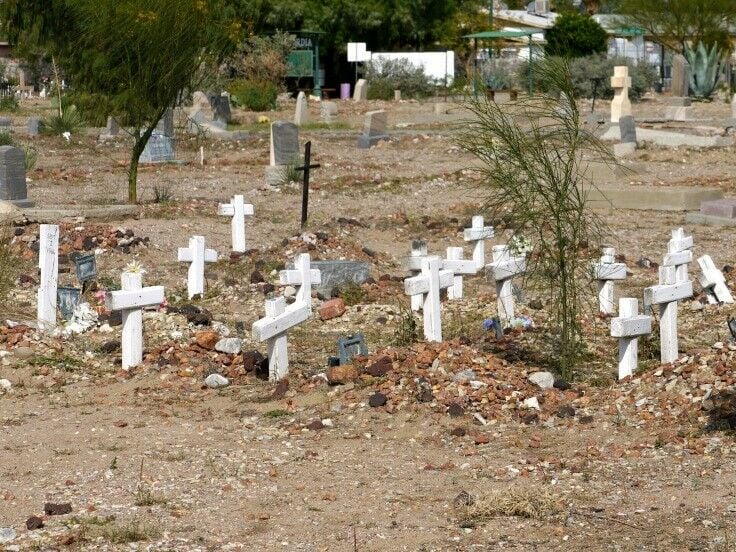
Beyond the Buffalo Soldier Memorial, much of the remaining cemetery landscape stands in bleak contrast. There are no flowing gardens or lush green lawns: just acre after acre after acre of regal concrete memorials, crumbling stone markers, and lonely, weatherbeaten wooden crosses.
Notable Sections of Concordia Cemetery
Concordia Cemetery isn't just one graveyard-it's a collection of many. Its grounds hold dedicated sections for a wide range of distinct cultural, religious, and fraternal groups, each with its own story etched in stone. Among them are:
- Resting Place of Mexican Revolutionary Figures, where heroes and rebels of a turbulent era lie side by side.
- The Chinese Section, distinguished by traditional inscriptions and symbols of heritage.
- The Jewish Burial Grounds, honoring one of El Paso's enduring faith communities.
- The Catholic Section, where rows of weathered crosses rise against the desert sky.
- The Mormon Section, reflecting the journeys of families who came west seeking new beginnings.
- The Masonic Section, marked with the square-and-compass emblem of brotherhood.
- The Masonic Veterans Monument, honoring members who served in military conflicts.
- The Jesuit Priests Section, a quiet corner devoted to men of faith and service.
- The Grand Army of the Republic Veterans Plot, memorializing Union soldiers of the Civil War.
- The Odd Fellows Section, with symbols of friendship, love, and truth carved into the stones.
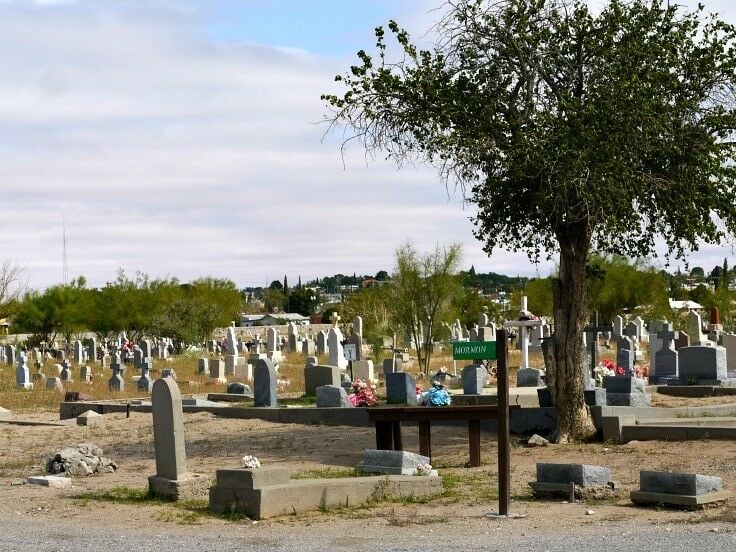
One particularly poignant area is the "Infant Nursery," where unmarked graves hold the youngest victims of the 1917-18 influenza epidemic. Walking among these simple markers-or the spaces where markers have long vanished-is a sobering reminder of lives lost far too soon and the impact of disease on the El Paso community a century ago.
From veteran memorials to fraternal plots, from cultural enclaves to the quiet resting places, Concordia Cemetery reflects the diverse threads that make up El Paso's history. Each section tells its own story, offering visitors both a sense of place and a window into the lives of those who shaped the city.
Outlaws and Infamous Figures Buried Here
The most notorious individual buried at Concordia Cemetery is Wild West gunslinger John Wesley Hardin. Depending on perspective, he is remembered either as "a friend to the poor" or as a cold-blooded killer.
Hardin's life was a blend of lawlessness and ambition. Known as a cowboy, gunslinger, poker player, and later a lawyer, he reportedly killed his first man at fifteen and claimed to have killed forty-two in total, famously remarking, "I never killed anyone who didn't need killing."
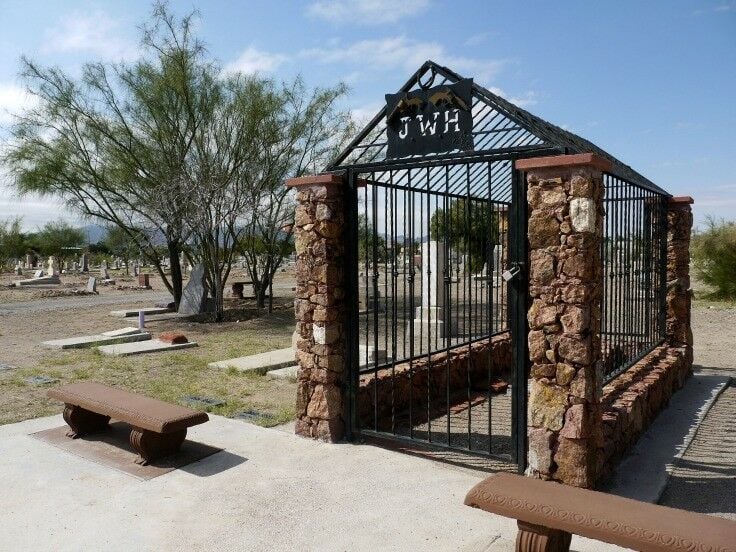
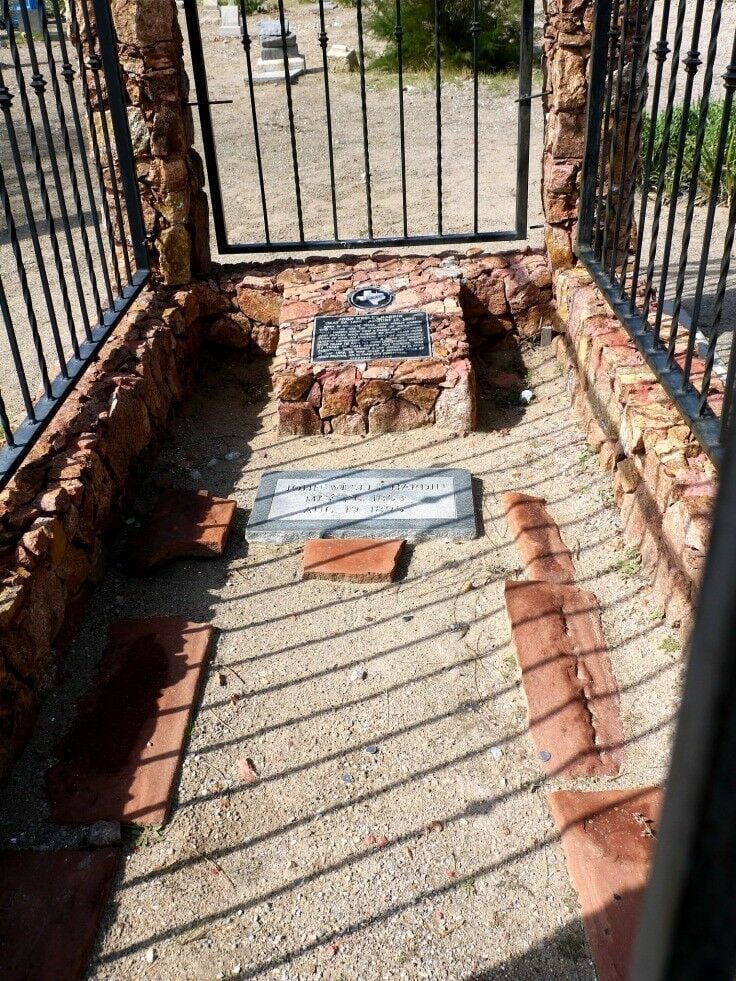
To protect his grave from souvenir hunters-a frequent problem for years-Hardin's resting place is now fenced and locked. A Texas State Historical Marker provides visitors with a summary of his life, while inside the iron-barred enclosure, many leave trinkets: shot glasses, coins, bottle caps, and even spent cartridge shells.
Concordia Cemetery is also home to other notable figures from El Paso's colorful past:
- James Biggs, for whom Biggs Army Airfield is named.
- Moses Carson, younger brother of the legendary Kit Carson.
- Benjamin S. Dowell, El Paso's first mayor.
- John Selman (1839-1896), gunslinger and killer of John Wesley Hardin.
- Ernest St. Leon (d. 1898), a Texas ranger who served the frontier.
Whether infamous or celebrated, these burials capture the wild, complex, and often violent history of El Paso-a history that still echoes across Concordia's sunbaked grounds.
Every Grave Holds a Story
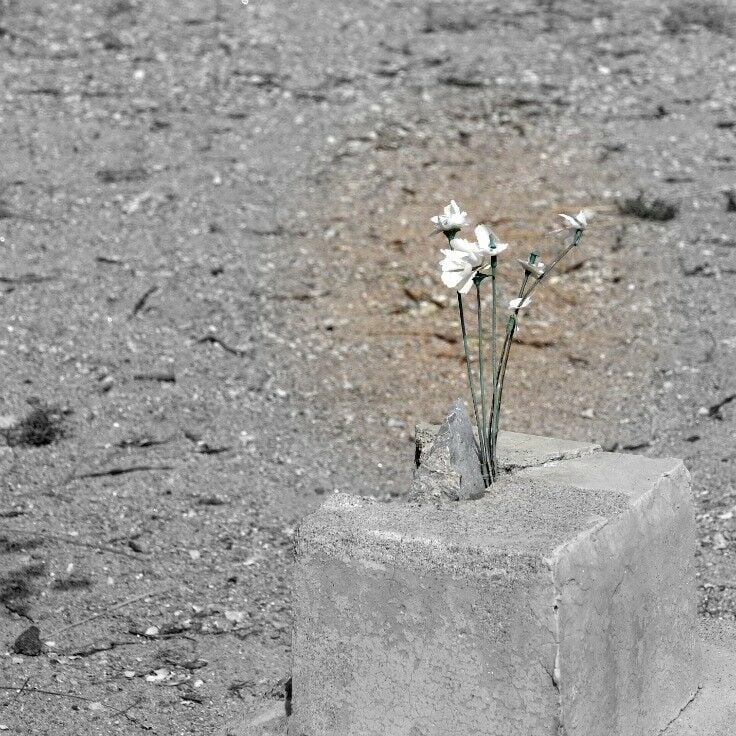
Beyond the famous names, the ornate monuments, and the stories of outlaws and gunslingers, Concordia Cemetery holds thousands of quieter tales. Many of its graves belong to everyday residents, forgotten children, and humble individuals whose lives were no less meaningful. It's in these unassuming markers, weathered by wind and sun, that the true heart of Concordia emerges-proof that every grave, famous or unknown, tells a story.
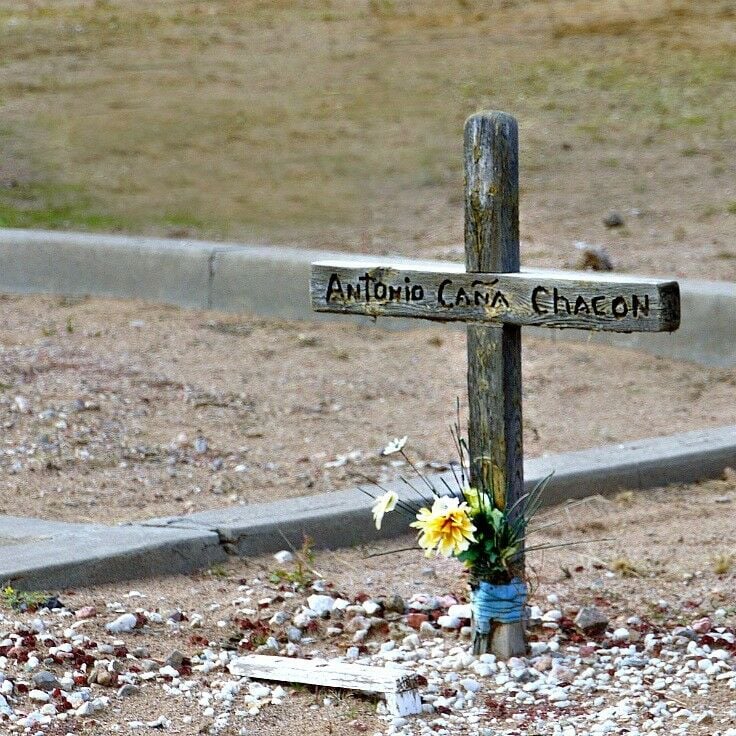
One solitary marker called out to me-a simple cross with the name "Antonio" hand-carved into the wood.
What brought you joy, Antonio? How did you live? When did you die? Clearly, someone loved you enough to ensure your name would remain here. In my mind's eye, I see a lone figure hunched over that rough-hewn board late into the night, painstakingly carving their grief into each letter. Your father? Your brother?
In Concordia's historic cemetery, famous graves might draw the headlines, but it's markers like Antonio's-humble, personal, and fading into the desert-that hold the most intimate pieces of El Paso's past.
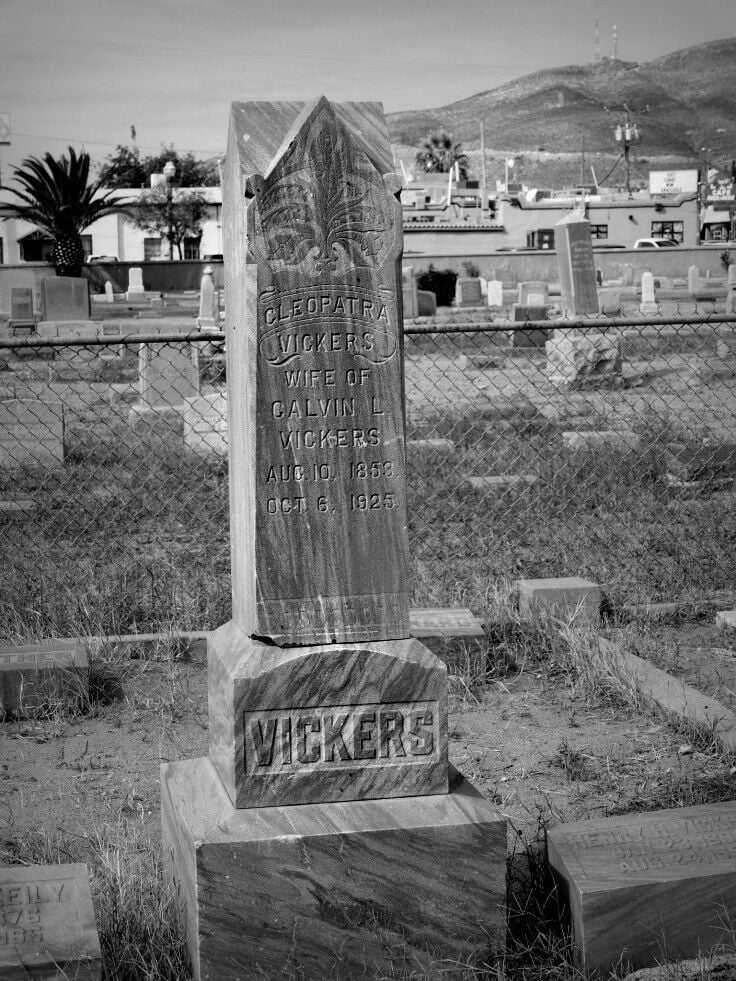
Whether marked by marble monuments or weathered wood, every grave in Concordia Cemetery holds a story.
Visiting Concordia Cemetery Today
A walking tour of Concordia Cemetery can take anywhere from 15 minutes to an hour or more. It all depends on what you want to take away.
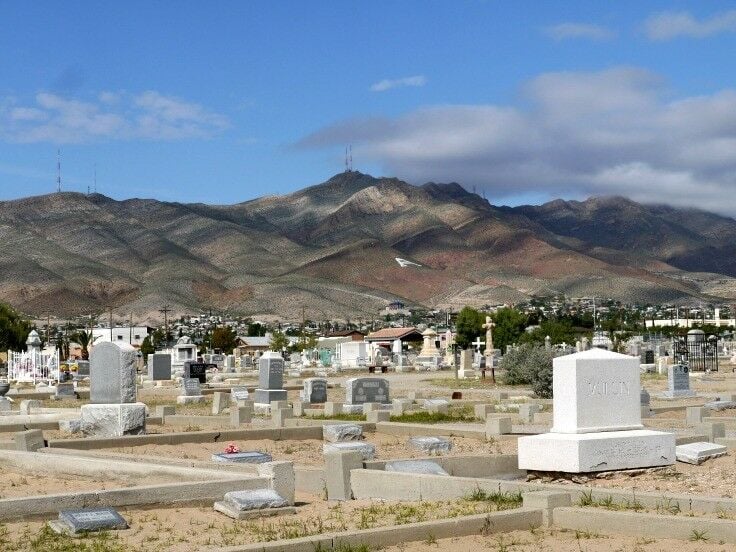
- Bring a camera, drinking water, and good walking shoes.
- The terrain is desolate, with little to no shade, so it can get very hot, particularly in the summer. Wear sunscreen and/or carry a parasol. (Don't knock it until you've tried it.)
- Walking sticks are available at the cemetery.
- Texas Red Ants are not a myth: they will crawl up your shoes and bite you if you stand in one place too long. Keep moving.
- Guided night "Ghost Tours" are available if you're into that kind of thing.


Kelsey says
This is so neat! Unexpected stops like this make traveling even more interesting. The wooden crosses are incredible.
Marlynn | Urban Bliss Life says
I love that you did this post, Renee. I am often inspired by cemeteries while traveling and recently was moved almost to tears by one in Karpathos, Greece, and another that I just happened to drive by on our way out of Mexico and I so wish we had time to stop there. Cemeteries say so much about the people, history, and the culture of a place, and you've captured this one in El Paso wonderfully.
Erin @ Platings and Pairings says
I still have not been to Texas, but it's so fun to follow along with your posts so I know all the spots that we should check out when we go. Thanks Renee.
Monica says
Beautiful photos! I’ll be in El Paso later this year, you’ve inspired me to check this out!
Catherine @ To & Fro Fam says
I've visited cemeteries while traveling in South America and Europe, so I don't know why I've never considered it in the US. Thanks for making me think today!